Showing posts with label test strip container. Show all posts

Monday, March 2, 2020

Test strip accuracy

You may have heard that glucose meters aren’t always accurate.
Studies have shown that the accuracy of diabetes test strips can vary. Researchers tested the accuracy of 18 blood glucose monitoring systems in three studies. Here’s some of what they found:
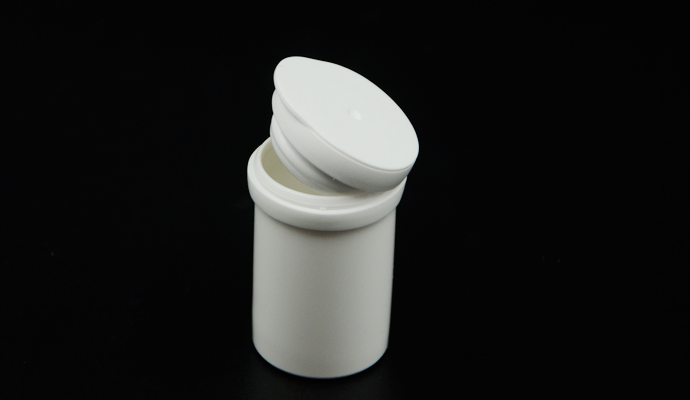
Test strip accuracy
Six of the systems met the standard for accuracy in all three studies.
Five met the standard in two studies.
Three met the standard in one study.
Four didn’t meet the standard for accuracy in any of the studies.
The good news is that the FDA now calls for all new blood glucose meter readings to be within at least 15% of the lab’s measurements. This means your reading must be accurate at least 19 times out of 20. And all new studies must have at least 350 people with diabetes, more than originally required.

Sunday, December 29, 2019

How to test blood sugar

The test way of blood sugar as following:
1.Before you begin, gather all the necessary materials: a blood glucose meter; test strips, alcohol swabs, and lancets. Make sure that the meter is installed with a working battery on a flat surface.
2.If the test strip is packaged separately, open the test strip container  or remove the test strip from the aluminum foil. Insert a new strip into the device.
3.Make sure the calibration code on the test strip is the same as shown on the meter

How to test blood sugar

4.Wash your hands or clean your fingers with an alcohol swab. If you are using alcohol, dry your fingers before puncturing them.
5.Use a new lancet to stab one side of your fingertips to reduce pain.
6.Turn on the blood glucose meter (some models of test strips start automatically as soon as they are inserted). Confirm that the test code number shown on the display is the same as the code on the current test strip package.
7.Drop a few drops of blood on the test strip (refer to the blood glucose meter manual provided for the required blood volume)
8.The meter reads your blood sugar level in seconds.
9.Record your blood glucose readings in a notebook for your own reference and that of your doctor. Some meters have large memory to store blood glucose readings.